

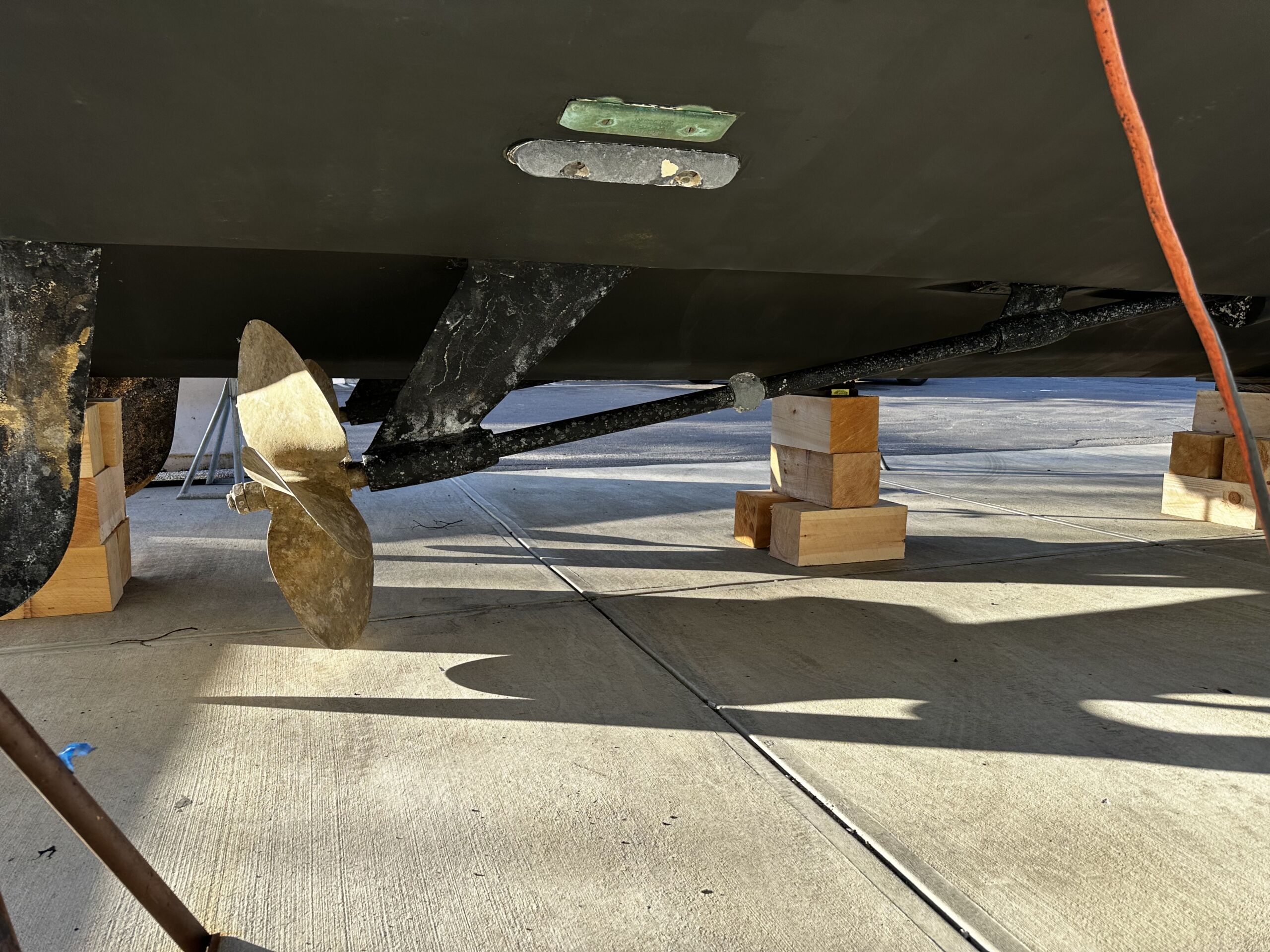
Zinc, Aluminum, or Magnesium? Choosing the Right Anodes for New England Waters
“Zincs” is boating shorthand for sacrificial anodes—but not all anodes are zinc. Aluminum and magnesium alloys can be just as effective, and in certain waters they’re the smarter, longer-lasting choice. If you run your boat in Boston Harbor, the North Shore, Cape Cod, or Narragansett Bay, understanding which anode metal belongs on your hull, shafts, pods, or outboards is essential to protecting your investment.
What Sacrificial Anodes Do
Sacrificial anodes prevent galvanic corrosion by willingly corroding first. When dissimilar metals are electrically connected and immersed in an electrolyte (water), the least noble metal “sacrifices” itself to protect the others—think prop shafts, sterndrives, bow thrusters, trim tabs, pod drives, and through-hulls. The right anode alloy must:
- Be more active than the metal it protects
- Stay active in your water type and temperature
- Offer enough capacity to last through the season
Zinc Isn’t the Only Choice
Zinc has been the traditional anode for saltwater boats, but modern alloys have shifted best practices:
- Aluminum anodes: High-capacity aluminum-indium-zinc alloys activate quickly, work in salt and brackish water, and resist “passivation” (the hard crust that can shut a zinc anode down). They’re lighter, often last longer, and are less toxic to the environment.
- Magnesium anodes: Very active—ideal for freshwater only. In saltwater, magnesium can overprotect, create hydrogen bubbles, and damage coatings.
Which Metal Where: Salt, Brackish, Fresh
New England offers a spectrum of salinity—from full salt on the outer Cape to brackish stretches in estuaries and rivers.
- Saltwater (Cape Cod, open Massachusetts Bay, outer Narragansett Bay)
- Good: Zinc or aluminum
- Better: Aluminum for versatility, longevity, and reduced passivation
- Brackish water (upper estuaries, some harbors after heavy rain)
- Best: Aluminum. Zinc often passivates and stops working.
- Freshwater (inland lakes or extended freshwater layovers)
- Only: Magnesium. Switch back to aluminum or zinc before returning to salt.
If your season includes a mix of salt and brackish, aluminum is the safest “all-around” choice.
Match Anodes to Your Boat’s Systems
Different propulsion and onboard systems have unique corrosion profiles. Align the alloy and fitment to the hardware:
- Shaft and strut boats (Common on older Sabres, all inboard Back Coves and Schaefer V-drive boats)
- Use shaft collars, rudder and trim tab anodes in the same alloy
- Ensure a clean, continuous bonding system
- Don’t forget about the anodes in your engine(s)! Cooling systems on engines may have anodes in all the heat exchanging parts (after coolers, heat exchangers, transmission oil coolers)
- Pod drives (e.g., Volvo Penta IPS on select Sabres and Schaefer’s)
- Always use manufacturer-specified kits in the recommended alloy
- Replace at recommended intervals; pods live low in the water and work hard
- Outboards and sterndrives (Back Cove and Schaefer outboard models, tenders)
- Follow the engine maker’s anode kit and alloy guidance
- Aluminum anodes are typically preferred for mixed salinities and modern aluminum housings
- Thrusters, swim platforms, and accessories
- Don’t forget separate anodes on bow/stern thrusters and tabs
- Keep all anodes within the same alloy on a shared bonding circuit
Pro tip: Do not mix anode metals on the same bonding system. Using, for example, zinc on trim tabs and aluminum on shafts can create unpredictable protection.
Installation and Maintenance Best Practices
- Inspect regularly: In-season checks every 4–6 weeks in marinas with heavy shore power use; at haul-out and launch for all boats.
- Replace at 50%: Change anodes when roughly half consumed—waiting longer risks exposing gear.
- Keep them clean: Do not paint anodes. If they glaze over or oxidize after layup, lightly scuff to restore activity.
- Verify continuity: Bonding wires and clamps must be clean and tight. A shiny new anode can’t help if it isn’t electrically connected.
- Watch for stray current: Marinas with lots of shore power can accelerate corrosion. Consider a properly sized galvanic isolator and ensure ABYC-compliant wiring.
- Winter storage: Remove heavy scale before layup; note that dry storage may oxidize surfaces—scuff before spring launch.
Environmental Considerations
Aluminum anodes contain no cadmium and typically release fewer heavy metals than traditional zinc. Some regions now favor aluminum alloys for this reason. If your marina promotes lower-impact practices, aluminum anodes can help meet those goals without sacrificing protection.
When to Consider Switching
Move from zinc to aluminum if:
- You boat in brackish water part of the season
- Your zincs develop a hard, non-porous crust and stop sacrificing
- You want longer service life and lower environmental impact
Switch to magnesium only if your boat will remain in freshwater. Transition back before re-entering salt or brackish water.
How Boston Yacht Sales Supports Smart Corrosion Protection
As New England’s authorized dealer for Sabre Yachts, Back Cove Yachts, Schaefer Yachts and representatives of Helmsman Trawlers, we align anode selection with your specific propulsion package and cruising grounds. Our team collaborates with manufacturers on new builds and commissions to:
- Specify the correct alloy for the area you use your yacht
- Source OEM anode kits for Volvo Penta IPS, shaft-driven inboards, and outboards
- Validate bonding, fitment, and maintenance plans during delivery and seasonal service
- Advise brokerage clients on anode condition, survey findings, and pre-sale preparation
Protecting your running gear starts with choosing the right anodes—and keeping them working.