News
Why Every Boat Owner Should Take Engine Oil Samples
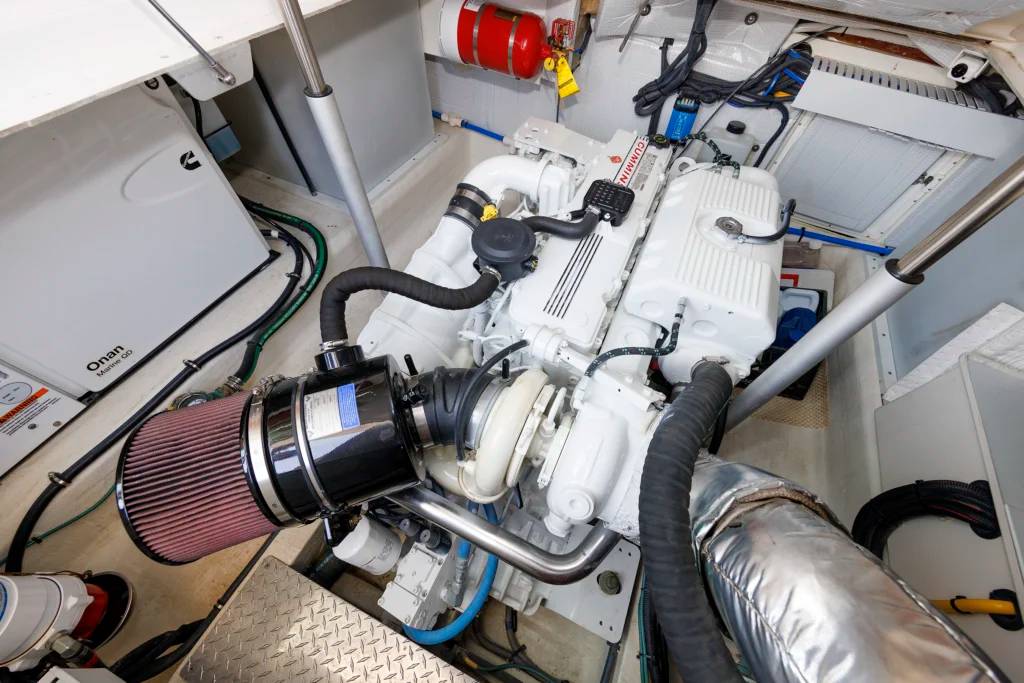
Your engine can’t tell you when something is starting to go wrong, but its oil can. An engine oil analysis is a simple, inexpensive lab test that reveals what’s happening inside your engine long before you’d hear, see, or feel a problem.
For boat owners, that early warning matters. Marine engines work hard, sit idle for months, and live in a wet, salty environment. A small sample of oil, taken at your regular oil change, can help you catch issues early, avoid costly repairs, and protect the value of your boat.
What is engine oil analysis?
Oil analysis is a lab test of a small sample of used oil drawn from your engine. You fill a clean sample bottle, mail it to a lab with a few details about your engine, and receive a report, usually within a week or two.
The lab measures tiny amounts of metals, contaminants, and other substances in the oil. Because oil circulates through every moving part of your engine, it carries evidence of what’s happening inside. Think of it as a blood test for your engine.
What can an oil sample tell you?
A single sample can reveal a surprising amount about your engine’s health. Here’s what labs look for and what it can mean:
Marine engines are especially vulnerable to water and coolant contamination, so these checks are particularly valuable for boats.
- Wear metals (iron, aluminum, copper, lead): wear on cylinders, pistons, bearings, or other internal parts
- Coolant (glycol, sodium, potassium): a leaking head gasket, oil cooler, or heat exchanger
- Fuel dilution: injector problems, excessive idling, or incomplete combustion
- Water: condensation, a leak, or raw water getting into the engine
- Silicon (dirt): a problem with the air intake or air filter
- Oil condition and viscosity: whether your oil is holding up for its current change interval
Why oil sampling is worth it
Catch problems before they become breakdowns. Many engine failures start small. A slowly leaking oil cooler or early bearing wear can show up in an oil sample months before symptoms appear. Finding it early can mean a simple repair instead of an engine rebuild, or a ruined weekend on the water.
Save money. A lab analysis typically costs under $100 per sample (BoatUS, Power & Motoryacht). Compare that with the cost of a major engine repair or repower, and it’s one of the best-value maintenance steps you can take.
See trends over time. One sample is a snapshot. Regular samples build a history for each engine, so you and your technician can spot changes early. A sudden jump in one metal is a clear signal that something needs a closer look.
Buy with confidence. If you’re buying a boat, oil analysis is a smart addition to a marine survey and sea trial. It gives you insight into the engines that a visual inspection can’t, and it’s even more valuable when the seller can share past reports (Southern Boating).
Sell for more. When you’re selling, a record of regular oil analysis shows buyers the boat has been cared for. Boatyards that keep a log of annual results note that it adds value when it’s time to sell (Power & Motoryacht).
How often should you sample?
The simplest approach is to take a sample at every oil change. Many mechanics and surveyors recommend sampling once a year (BoatUS), and for many recreational boaters that means at haul-out in the fall.
A few other times it’s especially worth sampling:
- When you buy a boat, to establish a baseline
- After a repair, to confirm the problem is resolved
- If a previous report flagged something to watch
- Before listing your boat for sale
Consistency matters more than frequency. Sampling the same way, at similar intervals, makes the trends in your reports far more meaningful.
How to take a good sample
A clean, consistent sample gives you the most accurate results. Follow these steps:
1. Run the engine to normal operating temperature so the oil is well mixed.
2. Draw the sample shortly after shutdown, before contaminants settle to the bottom of the sump.
3. Use a clean vacuum pump and new tubing, inserted through the dipstick tube to the middle of the oil, not the bottom.
4. Fill the lab’s bottle to the marked line and cap it tightly.
5. Label it with the engine make, model, serial number, engine hours, and hours on the oil.
6. Note whether oil has been added since the last change.
7. Mail it promptly, then change the oil as usual.
If you have more than one engine, sample each one separately. Every engine gets its own history.
Important note: We highly recommend using a trained engine specialist to take oil samples and interpret the readings.
Frequently Asked Questions
Is oil analysis worth it for a small boat? Yes. The cost is low compared with any engine repair, and the insights apply to outboards, stern drives, and inboards alike.
Can oil analysis be done on diesel and gas engines? Yes. Labs test both, and diesel owners in particular rely on it to monitor long-term engine health.
Does one bad report mean my engine is failing? Not necessarily. A single high reading can have a simple explanation. Labs usually recommend resampling, and trends over several reports tell the real story.
Should I get oil analysis when buying a used boat? It’s a smart addition to a marine survey and sea trial, especially for boats with larger or diesel engines.
Can I take the sample myself? Yes. Kits come with instructions and are simple to use. Your marine technician can also take the sample during routine service, which we would recommend.
A small step that protects a big investment
Oil analysis takes a few minutes and costs little, but it can save you thousands and give you real peace of mind every time you leave the dock. Whether you’re maintaining the boat you love, shopping for your next one, or getting ready to sell, it’s one of the smartest habits a boat owner can build.
Our service team at Boston Yacht Sales can take oil samples for you as part of your regular service and help you understand the results. Contact us or call (781) 331-2400 to add oil analysis to your next service visit.
Sources
What Your Oil Says About Your Boat’s Health, BoatUS
Boatyard Tip: The Benefits of Oil Analysis, Power & Motoryacht, December 2021
You Need to Know The Importance Of Boat Engine Oil Analysis, Southern Boating & Yachting, July 2023
Related Articles